Dental Ozone Therapy
Deep disinfection, healing support, and tissue regeneration with the power of oxygen. Chemical-free, pain-free, and no side effects.
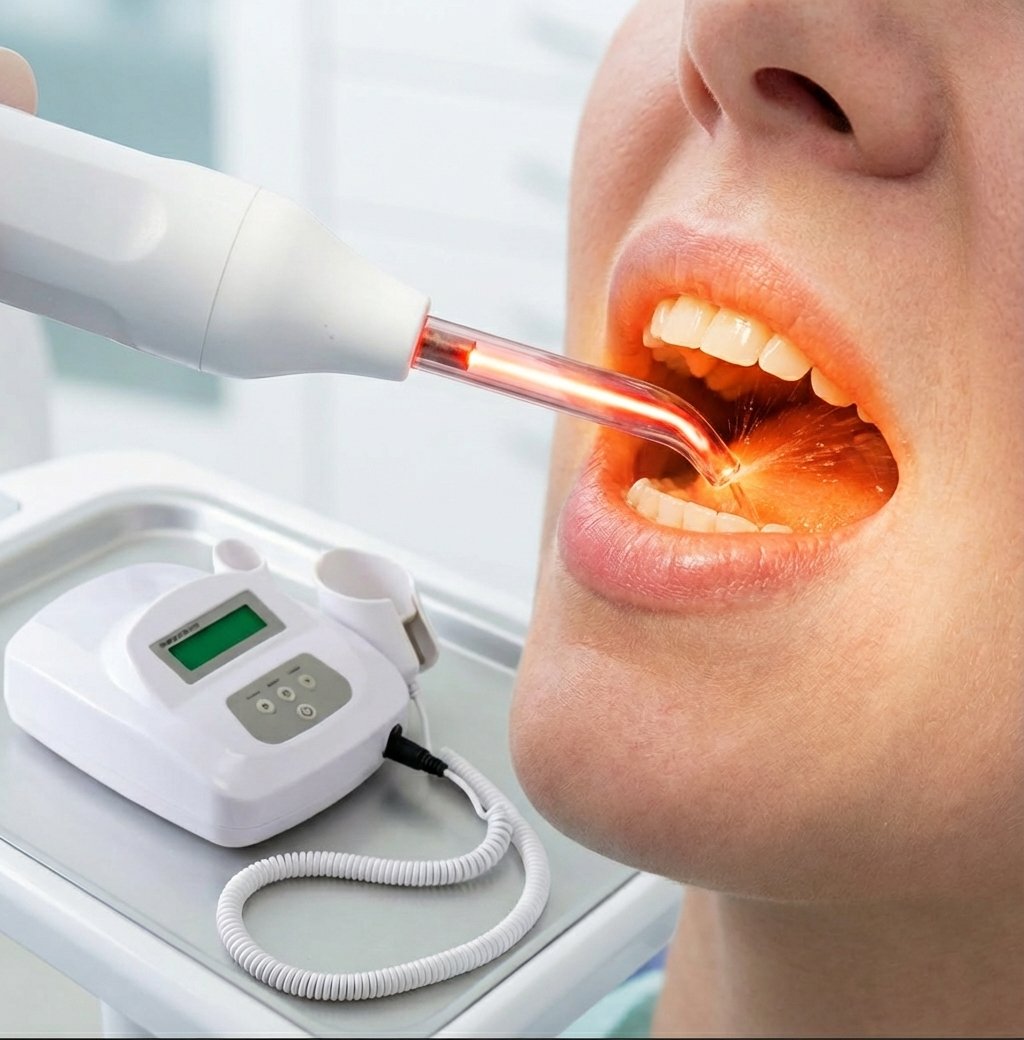
What is Ozone Therapy?
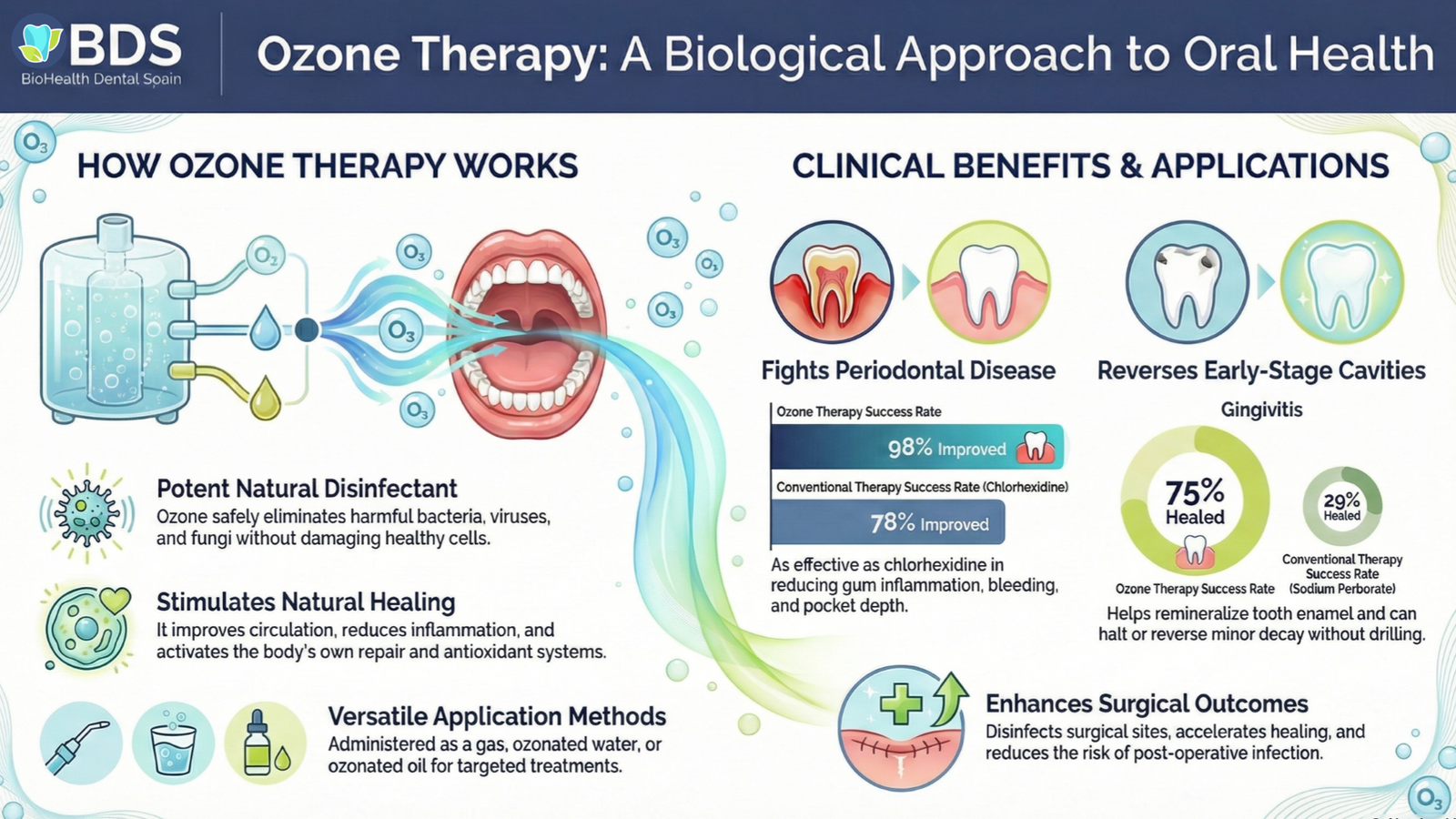
Dental ozone therapy uses medical ozone (a mixture of O₂ oxygen and O₃ ozone) to disinfect, encourage healing, and support tissue regeneration in the oral cavity.
What makes ozone special is its ability to target anucleated cells (like bacteria, viruses, and fungi) while respecting human cells. This selectivity makes it a safe and effective tool.
Three Oxygen Atoms
Ozone is a molecule made of three oxygen atoms. Upon application, it releases one atom that oxidizes and destroys pathogens, leaving pure oxygen (O₂) as the only residue.

The Power of Medical Ozone
Ozone possesses properties that make it an invaluable ally in biological dentistry.
Germicidal
Highly effective against bacteria, viruses, fungi, and other pathogens, including those resistant to high concentrations of chlorine.
Healing Agent
Stimulates tissue oxygenation, promoting cell regeneration and supporting more efficient wound healing.
Immunomodulator
Helps modulate the local immune response, assisting the organism in managing inflammation more effectively.
Oxygenating
Increases oxygen content in treated tissues, improving microcirculation and cellular metabolism.
Anti-inflammatory
Its action can contribute to decreasing inflammation and relieving discomfort in the treated areas.
Remineralizing
For early-stage cavities, it can help stop the lesion and favor the remineralization of the tooth enamel.
Applications of Ozone Therapy
Oral Surgeries
We use ozone to achieve local asepsis in extractions, cavitation surgeries, implants, and any surgical procedure. It disinfects the surgical site and promotes better healing.
Amalgam Removal
After removing amalgam fillings following the SMART protocol, we apply ozone to disinfect the cavity before placing the new biocompatible material.
Biological Dental Cleanings
We incorporate ozone into our hygiene appointments to boost disinfection, assist in controlling bacterial plaque, and help reduce gingival bleeding.
Periodontal Disease
In gingivitis and periodontitis, ozone can help reduce the bacterial load in periodontal pockets and support the recovery of the gingival tissue.
Cavities and Sensitivity
Ozone can contribute to stopping early-stage cavities and helping reduce tooth sensitivity by encouraging enamel remineralization.
Soft Tissue Lesions
Canker sores, cold sores, and mouth ulcers can benefit from ozone application, which helps reduce bacterial load and can accelerate recovery.
All About Ozone Therapy
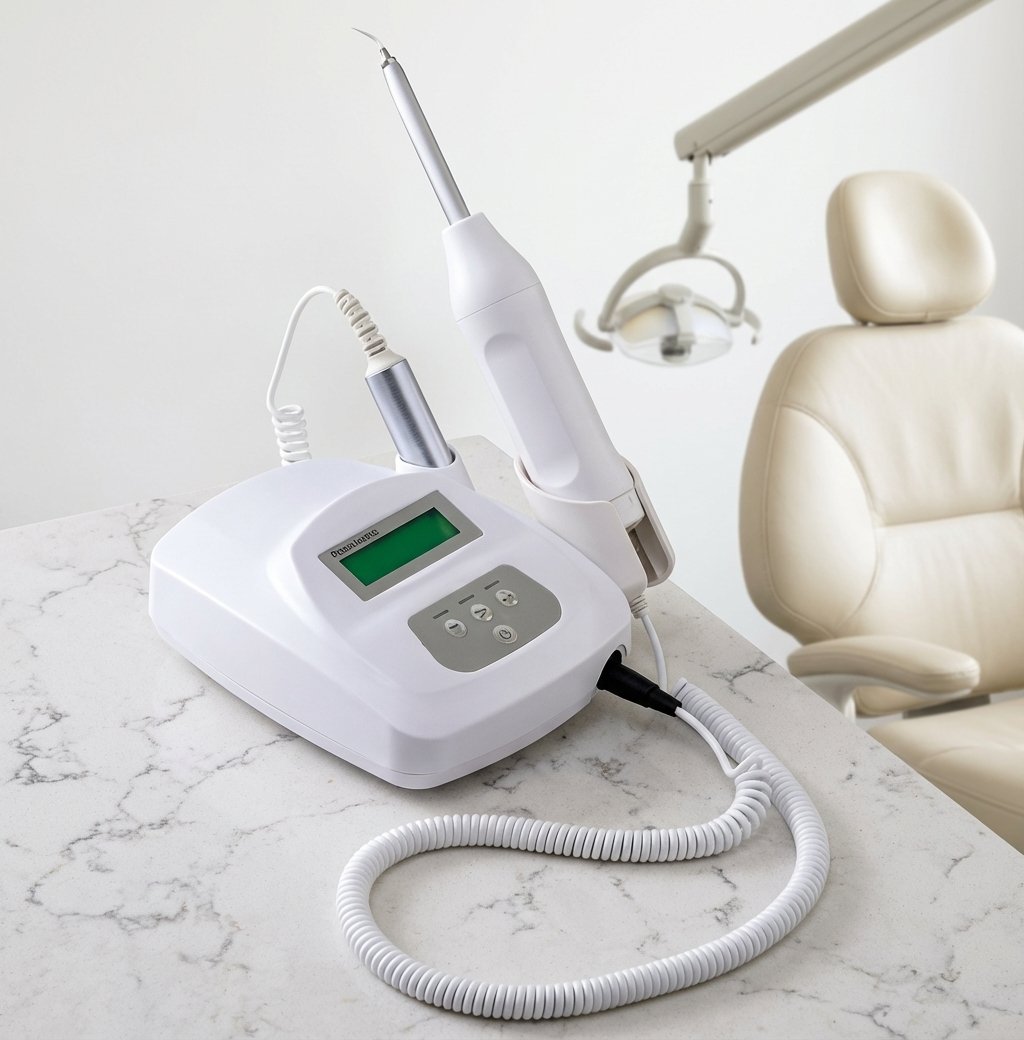
Medical Ozone Generator
We use professional medical ozone equipment designed specifically for dental applications. These devices allow for precise dosage control, ensuring safe and effective treatments.
Medical Grade Ozone
Generated from pure oxygen.
Controlled Dosage
Allows for precise concentration adjustments according to the treatment area.
Multiple Application Forms
Direct gas, ozonated water, and ozonated oils tailored to clinical needs.
Advantages for the Patient
Painless Treatment
Applying ozone is typically painless and, in most cases, creates no relevant discomfort.
Fast and Comfortable
Applications take only a few minutes and are easily integrated into any treatment plan.
No Side Effects
Medical ozone has no known drug interactions at clinical doses and is generally well-tolerated.
Chemical-free
An alternative to traditional chemical disinfectants, leaving only oxygen behind after its action.
Lower Anxiety
Being minimally invasive, it helps reduce dental stress for anxious patients.
Easier Recovery
It can contribute to reduced post-op discomfort and support a more comfortable healing process.
Frequently Asked Questions
Yes, ozone therapy is considered a safe therapy when applied by trained professionals using medical-grade equipment. At the dosages used in dentistry, no relevant side effects or significant drug interactions have been described, and adverse reactions are rare. In our clinic, we apply ozone in a controlled manner following all necessary safety protocols.
Generally, ozone application is painless, and most patients report no discomfort during or after the treatment. Some individuals may notice a slight, momentary sensation of dryness in the mouth, but it is transient and disappears quickly.
Ozone therapy is primarily used as an adjuvant treatment, meaning it complements conventional treatments. It enhances results and can reduce the need for certain medications, but it does not replace the dental procedures necessary for each case.
It depends on the treatment. In many cases, ozone therapy is integrated into the dental procedure you are already undergoing (surgery, cleaning, etc.) without needing extra sessions. For specific periodontal treatments or cavities, your dentist will indicate the recommended number of applications.
There are very few contraindications. Ozone should not be inhaled directly, so precautions are taken during application. For individuals with certain metabolic disorders or uncontrolled hyperthyroidism, cases are evaluated individually. Your dentist will determine if the treatment is right for you.
Other Treatments
Zirconia Implants
Biocompatible
See moreAmalgam Removal
SMART Protocol
See moreFDOJ Cavitations
Hidden Inflammation
See moreRegenerative PRF
Your Own Blood
See moreCone Beam CBCT
3D Diagnosis
See moreIntegrative Orthodontics
Dr. Patricia Díaz
See moreBiological Pediatric Dentistry
Dr. Brenda Martínez
See moreIntegrative Medicine
Dr. Patrick Welter
See moreThe Power of Oxygen
Discover how ozone therapy can complement your dental treatment and make your experience more comfortable.